




Postpartum, also known as the period of after childbirth, is a time of huge change; physically, mentally, and emotionally. Along with the joy of a new baby, most women experience mood swings, anxiety, fatigue, and a sense of being completely overwhelmed.
Actually, these feelings are not just normal postpartum emotions. They mostly arise from their deeper mental and emotional patterns that influence how exactly you think, react, and cope with your daily life.
In this blog, we’ll explore why these challenges occur, how they affect your energy, focus, as well as relationships, and why common advice or suggestions often fall short. Moreover, you’ll discover how a structured inner wellness approach can really help you regain your perfect balance, clarity, and emotional strength in a practical and lasting way.
Why Does Postpartum Pain Happen?
Postpartum back pain is one of the most common complaints that new mothers actually face, and it can start during pregnancy or sometimes appear after delivery. This pain isn’t only a temporary discomfort; beyond that, it mostly shows the changes that your body goes through physically, hormonally, and biochemically during pregnancy and after childbirth. So, understanding these root causes can help you a lot to manage it effectively and prevent long-term issues.
Here are the key reasons why postpartum back pain happens:

1. Hormonal impact on joints and ligaments
During pregnancy, hormones such as relaxing loosen the ligaments around the spine and pelvis in order to support childbirth. After delivery, these ligaments don’t get tight immediately. And, this lack of support makes the lower back even more vulnerable to strain and pain.
2. Weakened core and abdominal muscles
Pregnancy makes the abdominal muscles to be stretched, and reduces their ability to support the spine. When the core is weak, the lower back has to work really hard, and this mostly results in postpartum back pain.
3. Posture changes during feeding and baby care
Long hours of breastfeeding, bottle-feeding, bending, as well as lifting the baby can even put constant pressure on the back of the mother. Poor posture during these everyday activities slowly adds up and causes stiffness and soreness.
4. Pelvic and spinal alignment changes
The pelvis also shifts during pregnancy and childbirth. And, if it doesn’t realign properly postpartum, it can even create an imbalance in the spine, leading to lower and upper back pain.
5. Physical and emotional fatigue
Lack of sleep, stress, and physical exhaustion also reduce the body’s ability in order to recover. Tired muscles get tight easily, and this makes postpartum back pain feel worse and even more persistent.
Common Signs of Postpartum Back Pain
Postpartum back pain can be seen in different forms. This is because the body recovers itself after pregnancy and childbirth. These signs can develop gradually or show up when women perform their daily activities:

- Persistent lower back pain: A constant ache in the lower back that really may feel worse by the end of the day, even after taking rest.
- Upper back and shoulder pain: Tightness or soreness around the shoulders and upper back, mostly linked to breastfeeding posture and holding the baby for a long time.
- Morning stiffness: You can feel a stiff, tight feeling in the back after waking up, and this makes it uncomfortable to move fast at first.
- Pain while moving or lifting: Discomfort that increases when bending, lifting the baby, or even sometimes doing some household tasks after delivery.
- Radiating pain: Pain that starts in the lower back and spreads towards the hips, bottlenecks, or thighs.
- Posture-related discomfort: You can feel difficulty in sitting or standing due to weakened core muscles and post-pregnancy body changes.
Effective Ways to Relieve Postpartum Back Pain
Postpartum back pain can remain the same if the body doesn’t actually get the right support during recovery. The good news is that small, consistent changes in posture, movement, and daily habits can make a real difference and help you gradually get rid of the pain. Here are some of the effective ways:
1. Maintain Correct Posture
After pregnancy, your spine and muscles are still adjusting. Slouching while feeding, bedding, improperly, or standing unevenly can put extra strain on the lower back.
And, making a conscious effort to sit with your back supported, shoulders relaxed, and feet flat on the floor. When you lift your baby, just bend your knees rather than your waist and keep the baby close to your body. These small posture corrections reduce the pressure and protect your spine throughout the day.
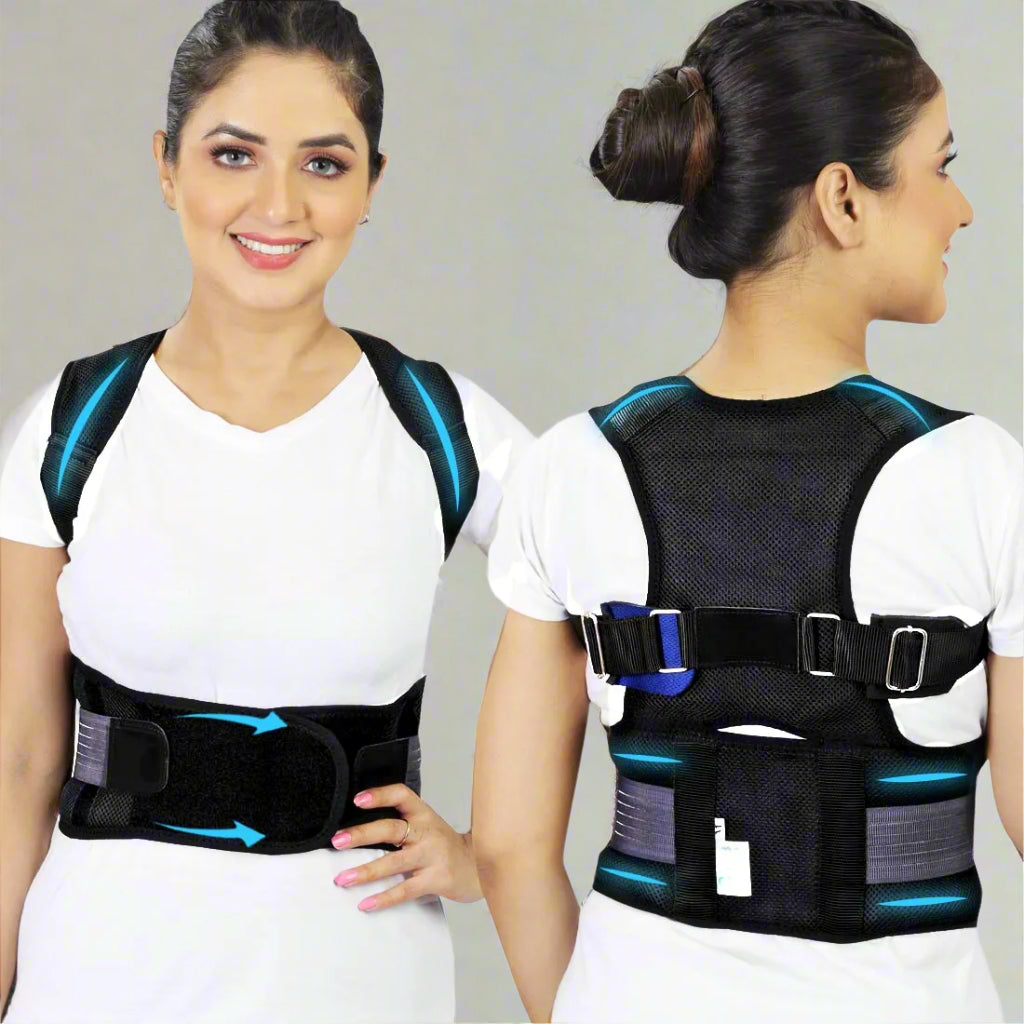
Additionally, using a Posture Corrector Belt can provide extra support for your lower back and help maintain proper alignment, especially during prolonged activities like feeding or carrying your baby.
2. Gentle Exercises to Strengthen the Back
Exercise after delivery should focus on recovery, not intensity. Gentle movements help improve blood circulation, reduce stiffness, and rebuild weakened muscles without overloading them. Starting slow allows your back muscles to regain strength safely and supports long-term relief from postpartum back pain.
Examples of Safe Exercises:
- Pelvic tilts to release tension and strengthen the lower back
- Cat-cow movements to restore spinal flexibility
- Seated or standing stretches to reduce tightness
3. Light Stretching and Movement
When you stay in one position for too long, it can worsen back pain after childbirth. Light stretching always keeps your muscles flexible and prevents it from stiffness, especially in the lower back, hips, and shoulders.
You can also opt for short walks around the house, or sometimes, gentle mobility can help you reduce discomfort and improve overall movement.
4. Strengthening the Core Slowly
As we discussed earlier, pregnancy weakens the core muscles that support the spine. If your core is weak, then the lower back has to work harder, which leads to pain.
You can start with breathing exercises and gentle core engagement in order to build strength gradually. As your core improves, your posture stabilizes, and back pain reduces naturally.
5. Use of Supportive Aids
Supportive aids can help you postpartum reduce back pain during your daily activities such as feeding, sitting, or carrying the baby. A lumbar support belt combined with gentle heat can provide lower back stability and ease muscle stiffness.
A back massager with kneading and heat can also help relax tight muscles in the neck, shoulder, and lower back, especially after long or tiring days. When you use it along with good posture, light movement, and proper rest, these aids can really support a more comfortable recovery.

6. Proper Rest and Sleep Positions
Sleep is essential for healing, but poor sleeping posture can increase back pain. Sleeping on your side with a pillow between your knees keeps the spine perfectly aligned.
On the other hand, if you prefer sleeping on your back, keep a pillow under your knees as it helps reduce pressure on the lower back and prevents morning stiffness.
7. Heat Therapy for Muscle Relaxation
Heat therapy is a simple and effective way to relieve muscle tightness. Applying a warm compress or sometimes a heating pad to the lower back relaxes tense muscles, improves blood flow, and eases discomfort. It’s especially helpful after a long day of physical activity or feeding routines.
Conclusion
Postpartum back pain can quietly affect your daily routine, especially when you’re already adjusting to the physical and emotional changes after childbirth. The key is not to ignore it or even get it pushed through the discomfort, but to give your body the proper care and support it needs to heal.
Simple habits such as maintaining your posture in a good way, moving gently, resting well, and using the right supportive aids can make a real difference over time.
For added comfort during recovery, supportive tools like lumbar belts, heating pads, and back massagers from JSB Wellness can help you ease muscle tension and give relief when the back feels strained.